
Technology & Trust
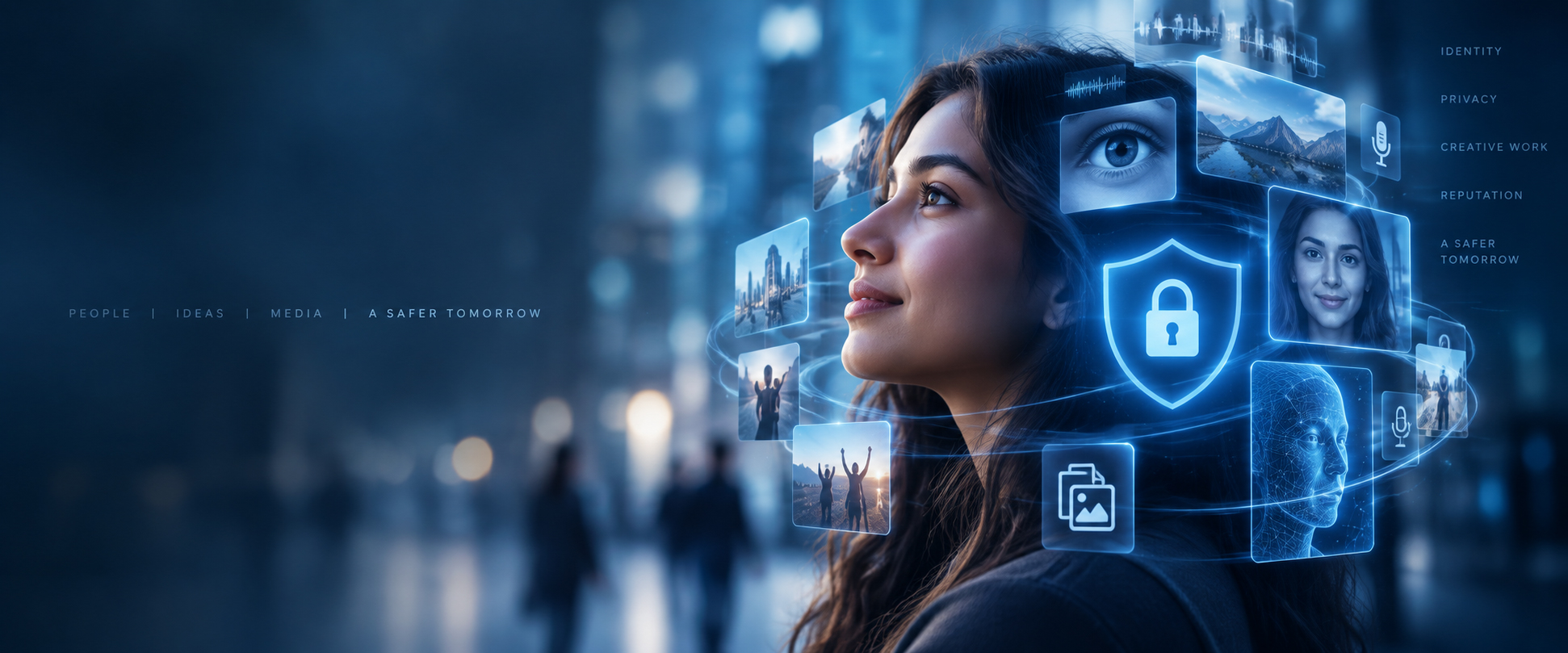
Faces, voices and creative work carry identity, reputation and economic value. The AI era makes their permitted exposure, reuse and protection part of the same design question.
A photograph may involve the rights of its author and the person shown. A voice recording may contain a speaker’s identity and a community’s knowledge. Making material visible for one purpose does not resolve every later use, especially synthetic reconstruction or commercial imitation.
Softa’s media-dignity approach therefore begins with exposure and audience choices. It also distinguishes publishing a work, granting a platform licence to deliver it and permitting reuse. The terms applicable to a specific product determine the actual service relationship.
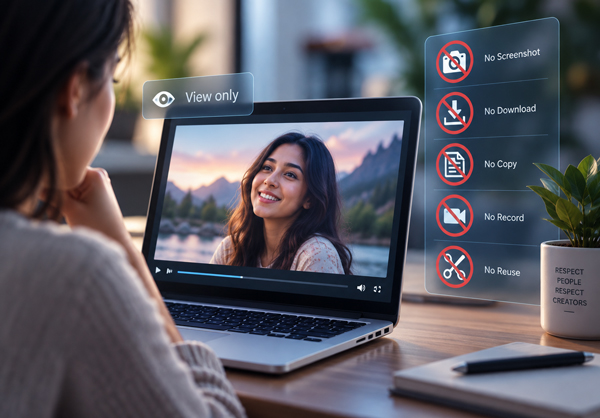
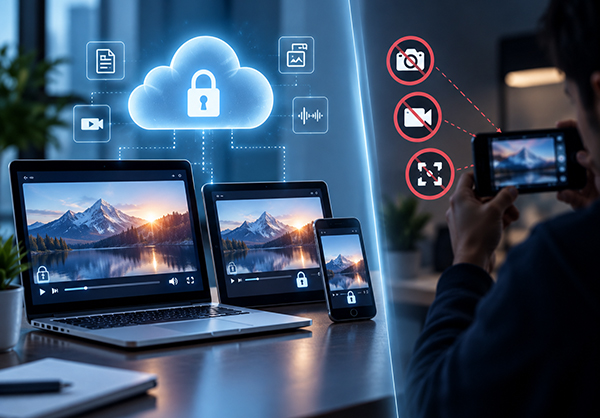
No-URL Media Architecture is a ZKTOR's specific design intended to restrict ordinary public or shareable retrieval paths for protected media. It targets certain extraction and redistribution routes. The corporate website and approved public research retain normal citable URLs because their publication purpose is different.
Protected delivery cannot stop a recipient photographing a screen, making a recording or using a compromised device. It is therefore not a deepfake-proof or copy-proof guarantee. Reporting, response, appropriate preservation and appeal remain necessary parts of the wider protection model.
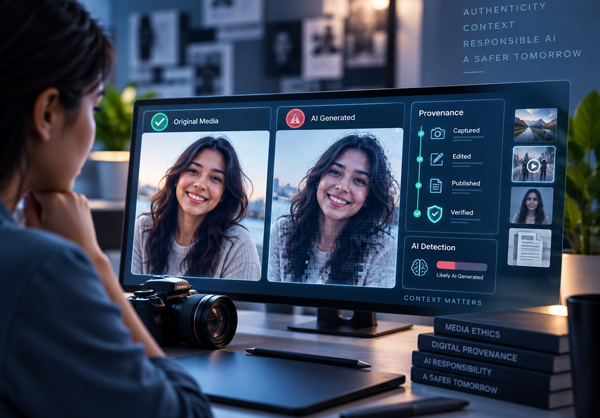
Information about an origin, author or permitted editing history can help assess a work. Its absence is not proof that content is false, and its presence is not blanket permission to use the subject’s identity. A detector result also requires its own scope and uncertainty.
The HOLA knowledge framework prohibits presenting a synthetic reconstruction as authentic community testimony. AI-assisted media must also preserve the difference between illustration and a documentary record. A depiction of a person, meeting or event should not borrow factual authority it does not have.
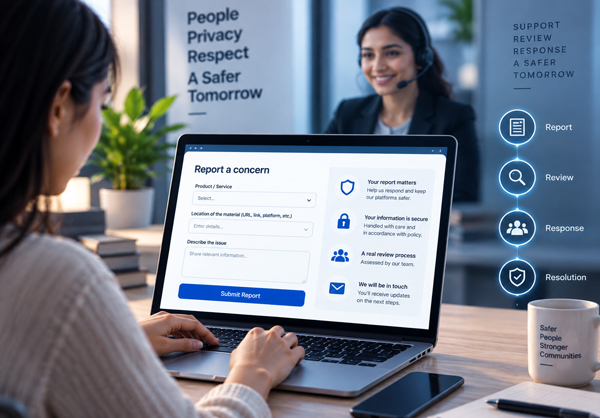
A report should identify the relevant product, location of the material and nature of the concern. It should not require intimate evidence to be attached to a general email. The published support directory provides the starting point for safety enquiries, while corporate inaccuracies belong with Corrections.
The appropriate response depends on the issue and the actual service. This account does not promise a universal removal deadline or a detector success rate. The goal is a meaningful route to review alongside design that reduces unnecessary exposure.
OUR PURPOSE
Softa is building a connected technology ecosystem around privacy, participation and practical human needs creating digital systems designed to remain useful, responsible and inclusive as they grow.
